Are hand dryers more unhygienic?
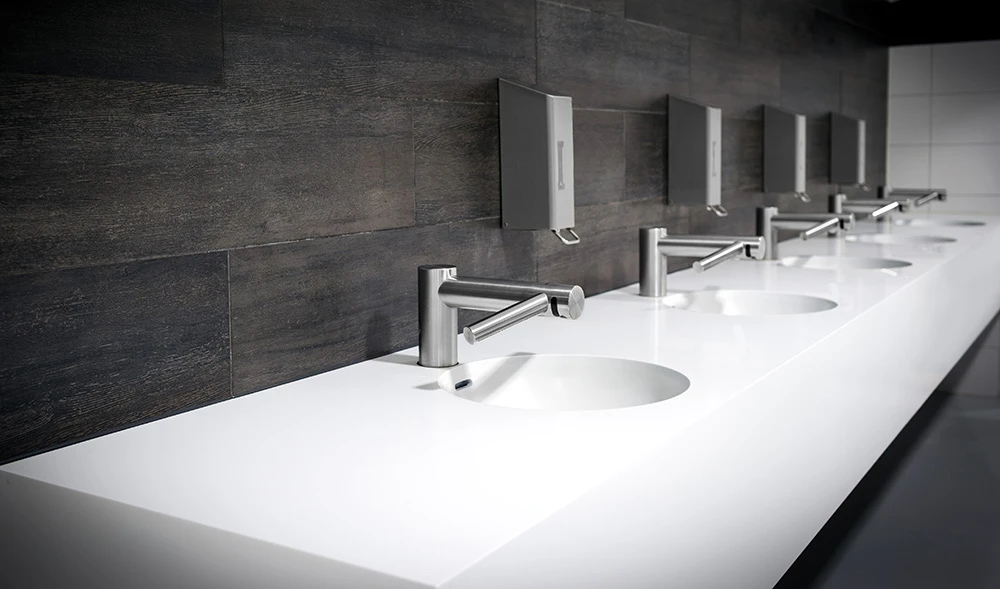
Dyson Airblade hand dryers meet strict hygiene standards. They feature certified HEPA filters that meet rigorous hygiene standards and blow out only extremely clean, filtered air.
From time to time, beliefs and debates about the hygiene — or lack thereof — of paper towels versus hand dryers have surfaced in public discussion.
"Over the years, there has been a battle for proven hygiene between hand dryers and paper towels, as hand dryers have taken over the market share previously held by paper towels," says Kristof Dhont, Dyson's regional director for Benelux and the Nordic countries.
Recent figures show that between 2012 and 2020, paper towel producers have lost over $800 million in revenue due to the sales of electric hand dryers.
According to Dhont, misleading information about the hygiene of Dyson hand dryers has been spread through studies funded by the paper industry. One example he mentions is the research and advertising campaigns funded by the European Tissue Symposium (ETS), a Brussels-based group that represents the interests of the paper towel industry.
Dhont claims that these research setups were unscientific. Results were distorted and incorrect conclusions aggressively promoted in the media. For example, it has been claimed that hand dryers increase the number of bacteria in the air of restrooms and that the air blown out by dryers is dirty.
The research used methods that do not reflect real-life usage. For example, in one study, hands were contaminated by immersing them in solutions with high concentrations of bacteria or viruses and then dried with a Dyson Airblade hand dryer — without first washing the hands with water.
"As with all research, it's important to understand the methodology and results, rather than just reading the conclusions," Dhont points out.
In reality, Dyson Airblade dryers are just as hygienic as paper towels. "There are essential differences in drying devices and methods," Dhont reminds.
Thanks to Dyson’s Airblade™ technology, the Airblade hand dryers are the only dryers that filter particles the size of bacteria from the drying air with 99.95% efficiency. At the same time, the air around the washing station is also purified.
The hygiene of Dyson hand dryers has been verified in studies conducted at the University of Bradford in the UK and Germany’s oldest university in Marburg. Similar conclusions were reached by Campden BRI, an independent UK-based research organization focused on food, whose clients include Danone, Coca-Cola, Heinz, and Nestlé.
Wet hands are an ideal surface for bacteria to cling to
Many people believe proper handwashing is enough for maintaining hygiene. However, thorough hand drying is also crucial.Dry hands help prevent bacteria from transferring from surfaces we touch, whereas moist or wet hands are an ideal surface for bacteria to adhere to. Wet hands can spread bacteria up to a thousand times more than dry hands.
Dyson's hand dryer dries hands quickly — in 10 to 14 seconds — which reduces the transfer of bacteria to hands by 40%. The dryers operate automatically — hygienically and without contact. This minimizes the need to touch restroom surfaces.
Additionally, Dyson Airblade hand dryers have antibacterial protection integrated into the device's surface. The coating prevents the formation of bacterial and mold colonies and keeps the surface of the device more hygienic.
Dryers meet even hospital hygiene standards
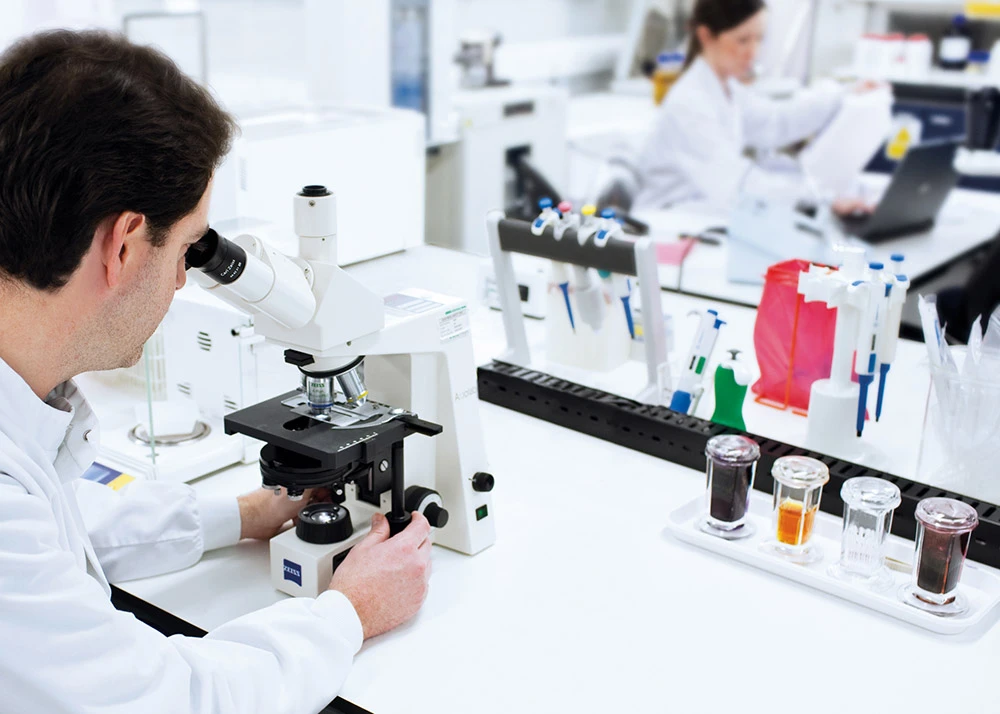
Dyson hand dryers are also used in environments with strict hygiene requirements, such as in the food industry and healthcare facilities.Dyson Airblade hand dryers have the globally respected HACCP hygiene certification for the food industry: they are approved for use in food preparation areas.
Moreover, Dyson is the only company whose Airblade hand dryers meet all the hygiene criteria defined by the independent health organization NSF for hygienic hand dryers.
Ecological choices are important
Dyson hand dryers are an ecological alternative.
The paper industry produces high emissions, and paper towels generate large amounts of waste. In Finland, for example, nearly 10 billion paper towels are still used each year, which are thrown away after use. Transporting paper towels to their place of use and then to waste also adds to the burden on the environment.
Dyson hand dryers consume little energy, are durable, and are also cost-effective. Unlike traditional dryers, Airblade dryers do not have an air heating element, which means they consume up to 80 percent less energy.
According to studies by MIT (Massachusetts Institute of Technology) Life Cycle Assessments and the Carbon Trust, the carbon footprint of Dyson hand dryers is 85 percent lower than that of paper towels. In addition, using Dyson hand dryers is up to 98 percent cheaper than using paper towels.
"The good news is that consumers and businesses are becoming increasingly aware of sustainable development and the well-being of the environment and the planet. Large companies have set ambitious targets for reducing emissions: for example, Ikea's goal is to achieve zero waste, Dhont praises.
Select some products

An independent study on the hygiene of hand dryers
Finnish online shop


AQVA Professional
Open on weekdays 09–17
010 321 5085
info@aqvapro.fi
Y-tunnus: 2351337-8